
-
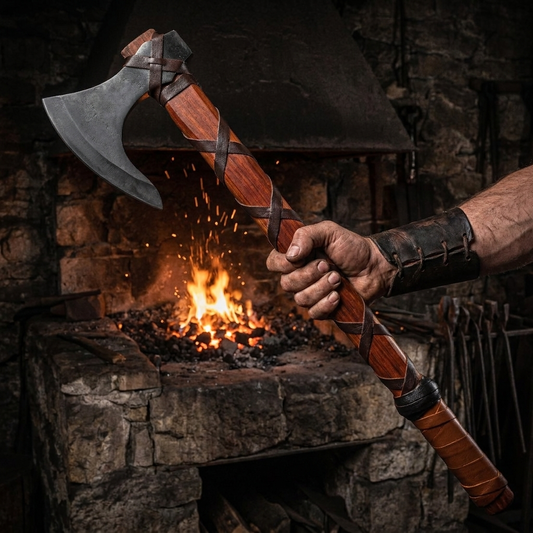
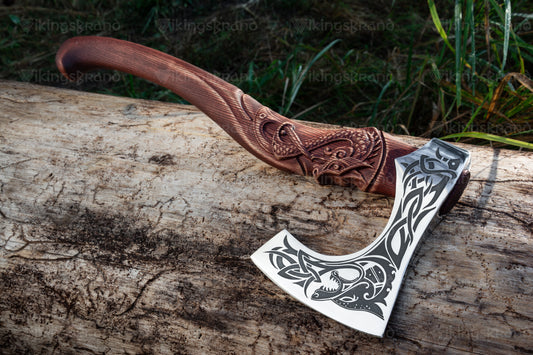
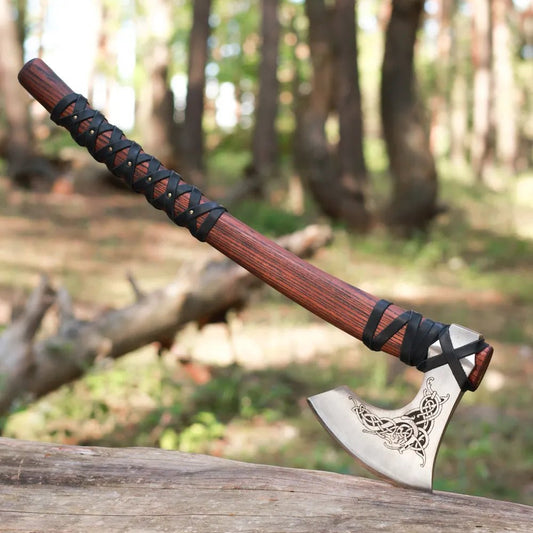
The Skeggøx – Hand-Forged Viking Bearded Axe of Ragnar Lothbrok
Regular price $89.00 USDRegular price$139.99 USDSale price $89.00 USDSale -
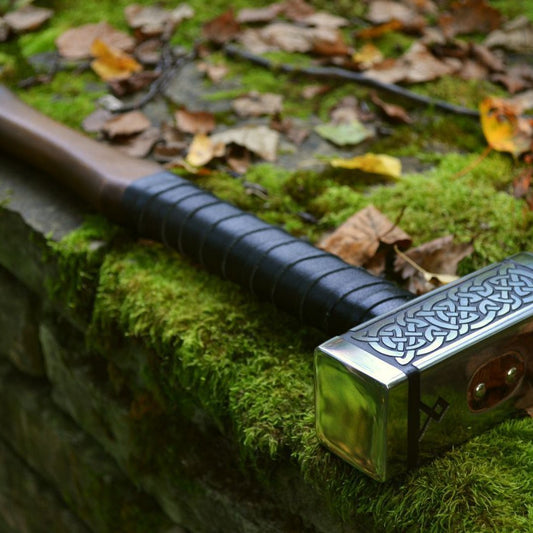
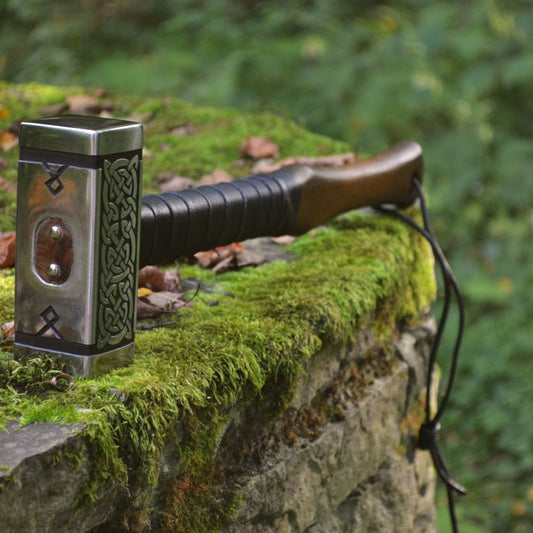
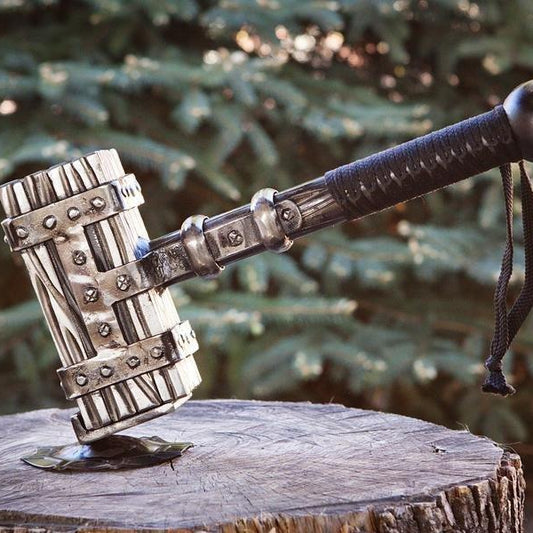
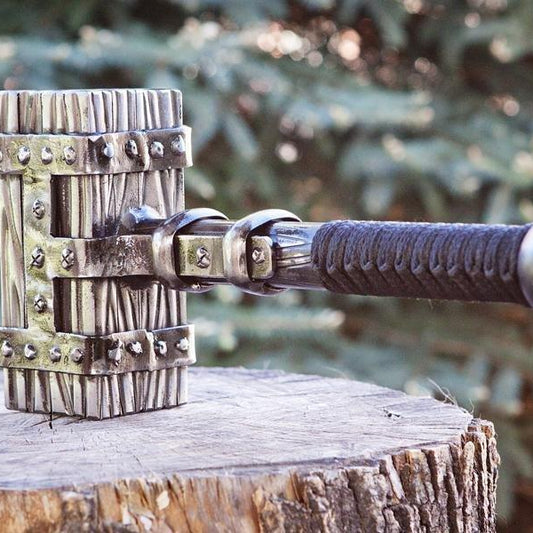
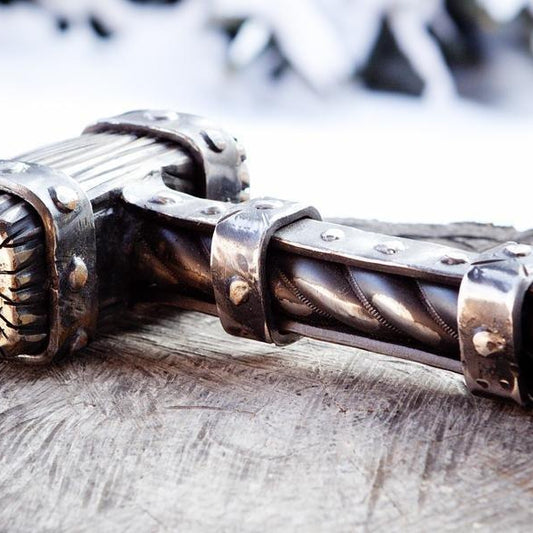
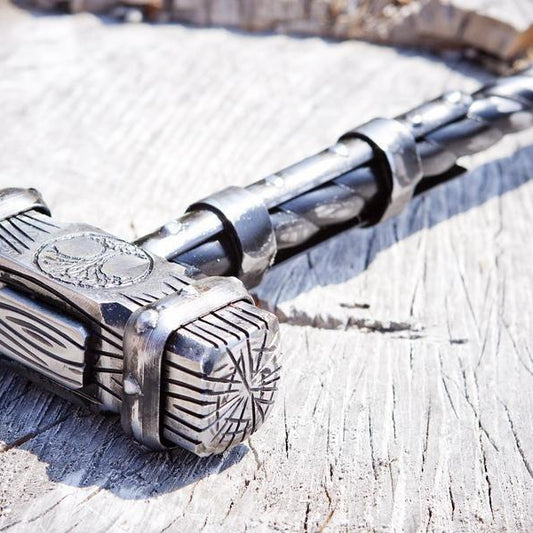
Huge Viking Nordic Thor's Hammer
Regular price From $389.99 USDRegular price -
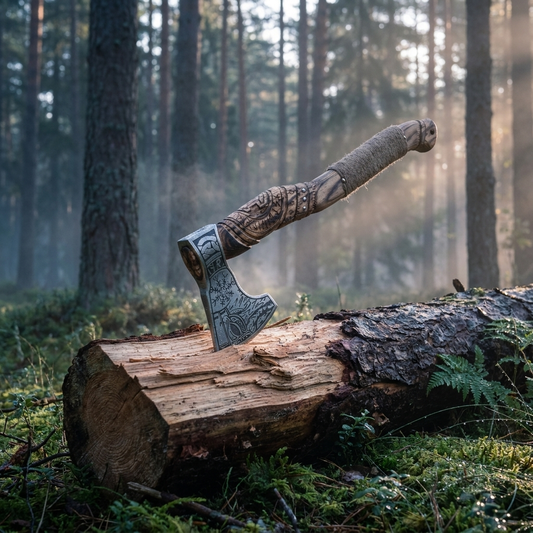
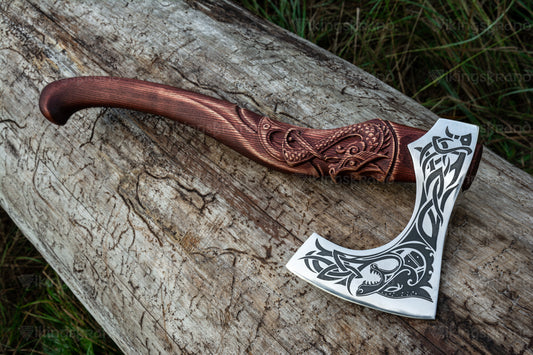
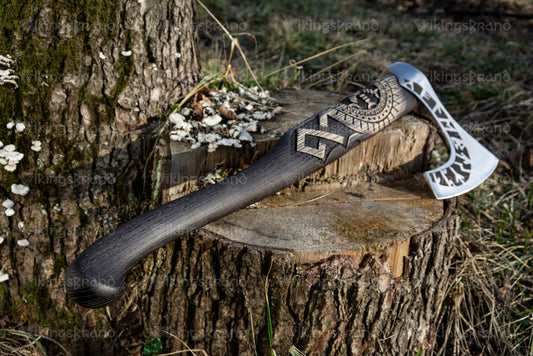
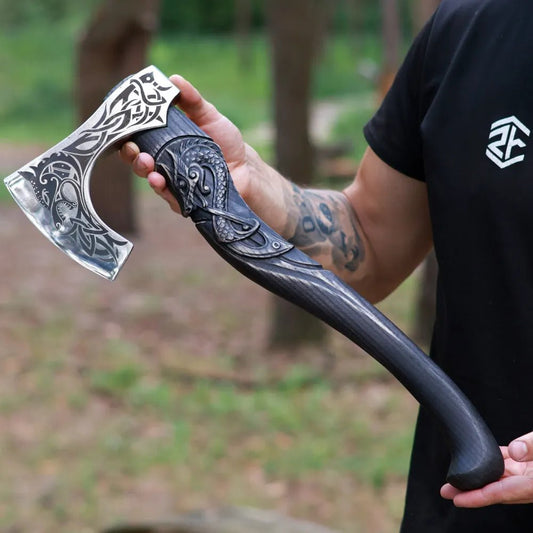
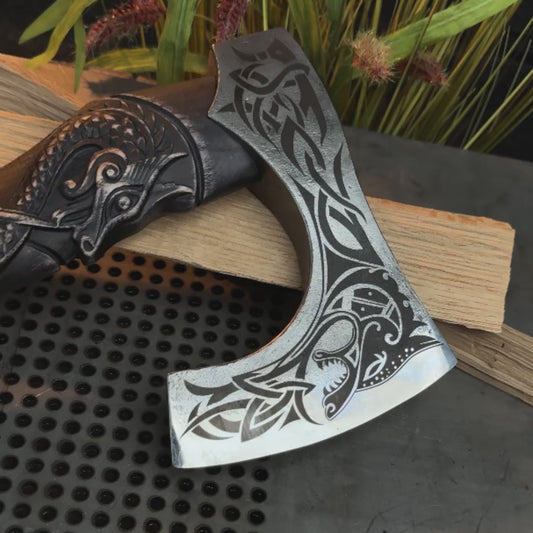
Hand-Forged Viking Axe – Decorated Head & Carved Handle
Regular price $99.00 USDRegular price$179.99 USDSale price $99.00 USDSale -
Fenrir Viking Axe – Hand-Forged Wolf Axe with Leather Cover
Regular price From $358.99 USDRegular price -
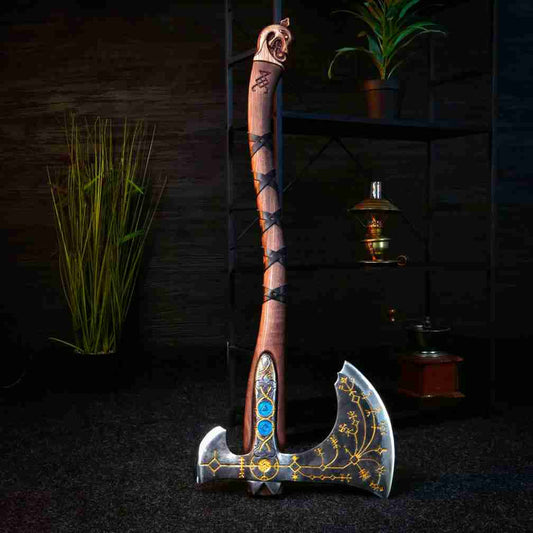
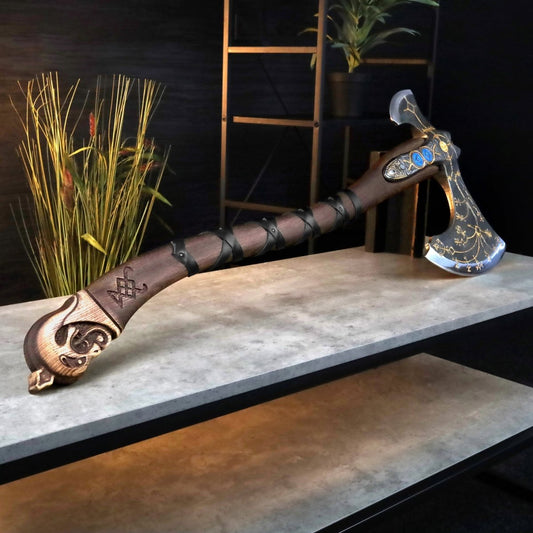
Leviathan Axe – 2-Handed Hand-Forged Kratos Axe (God of War)
Regular price From $499.00 USDRegular price -
Bushcraft Viking Real Size Thor's Hammer
Regular price $280.99 USDRegular price -
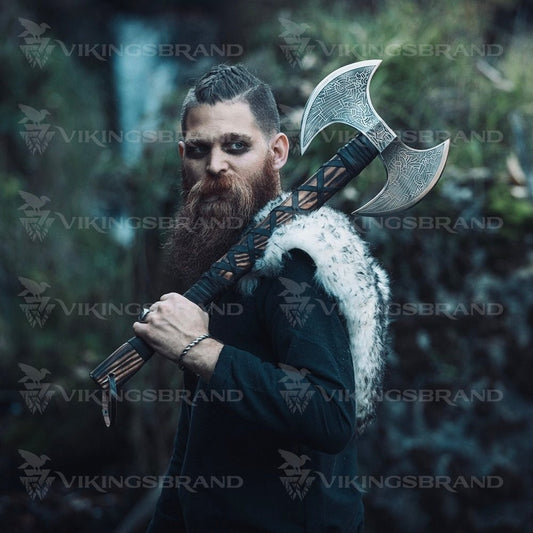
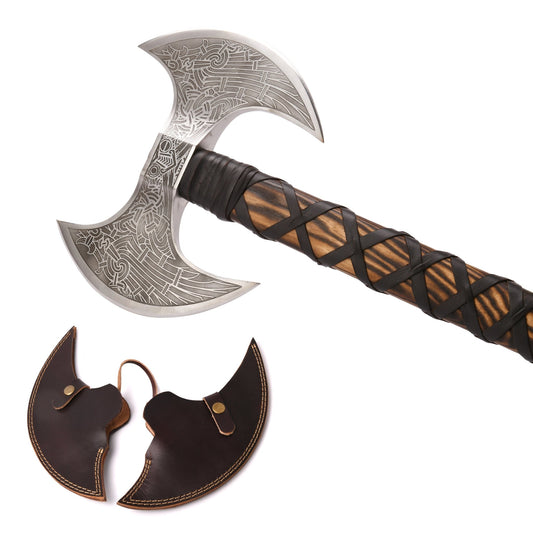
Odin Twin-Blade Viking Axe – Hand-Crafted Display Axe (Huginn & Muninn)
Regular price $99.00 USDRegular price$499.00 USDSale price $99.00 USDSale -
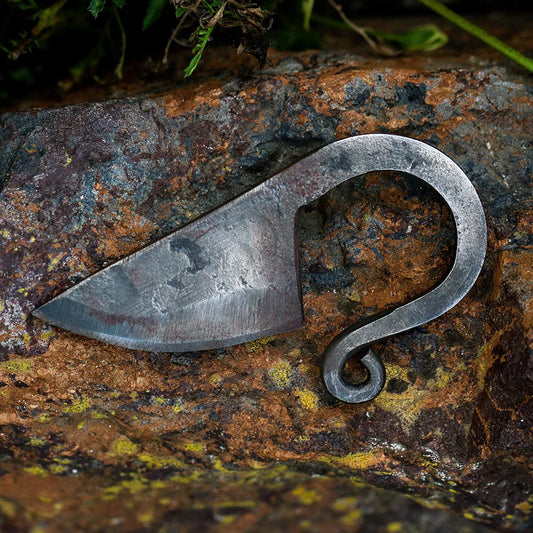
Hand Forged Viking Neck Knife – Black Sheath (US Shipping Only)
Regular price $39.99 USDRegular price -
Bjørn Viking Axe – Hand-Forged Runic Axe with Leather Cover
Regular price From $276.00 USDRegular price -
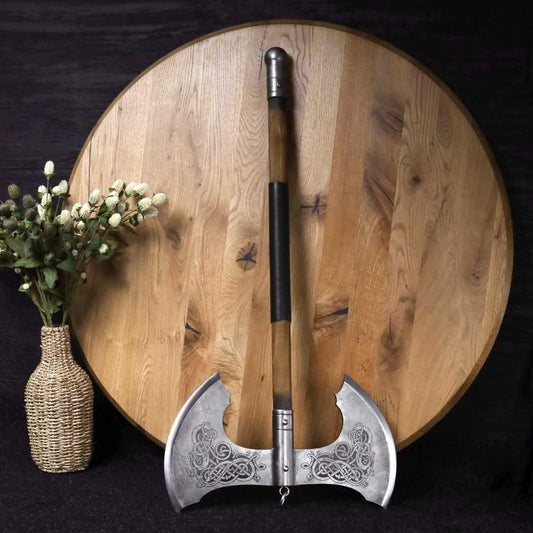
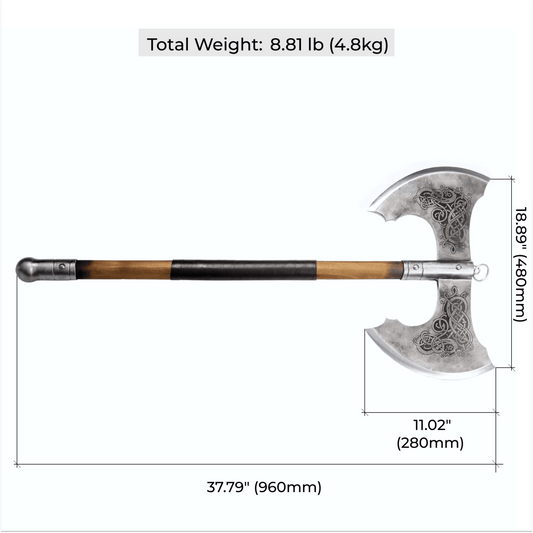
Jotungard Double-Edged Viking Axe – Giant Norse Display Axe
Regular price $295.00 USDRegular price -
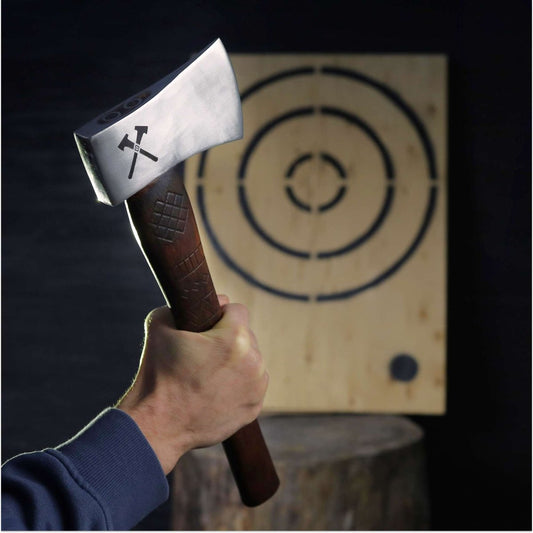
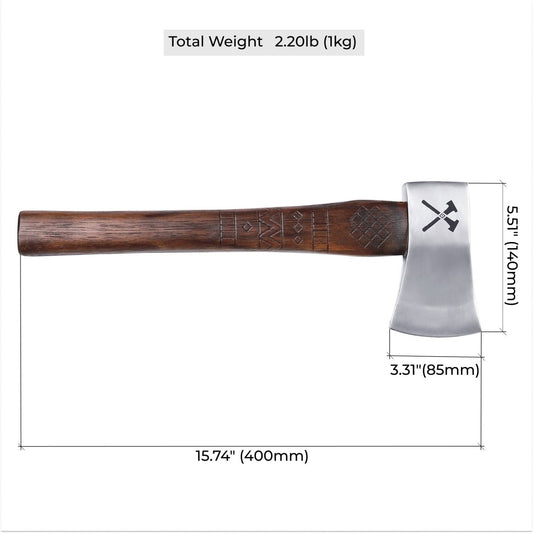
Vargr Viking Throwing Axe – Hand-Forged & Functional
Regular price $89.00 USDRegular price -
Custom Hand Forged Viking Thor hammer
Regular price $373.99 USDRegular price -
Hand-Forged Hardened Bearded Viking Axe “Fenrisulfr” with Carved Handle
Regular price $269.00 USDRegular price -
Njord Viking Axe – Hand-Forged Functional Norse Axe (AISI 1065)
Regular price $196.00 USDRegular price -
Gurons Spike Tomahawk – Hand-Forged Throwing Axe (W108)
Regular price $295.00 USDRegular price -
Functional Double Bit Axe “Vargstal” – Hand-Forged Viking Axe
Regular price $129.00 USDRegular price



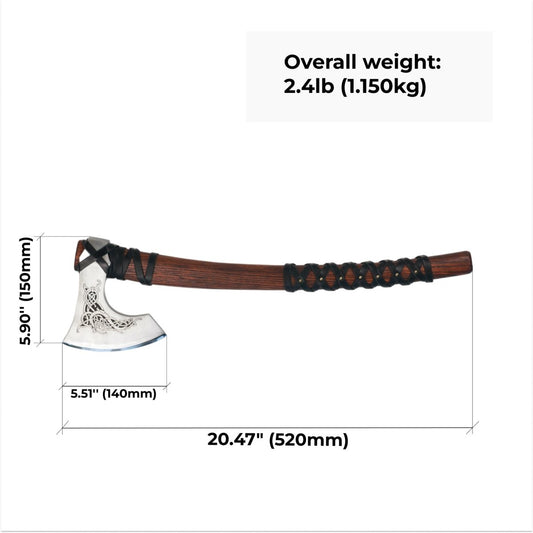
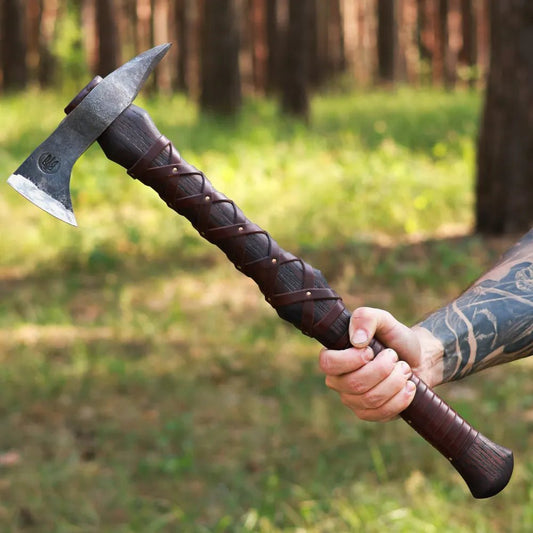
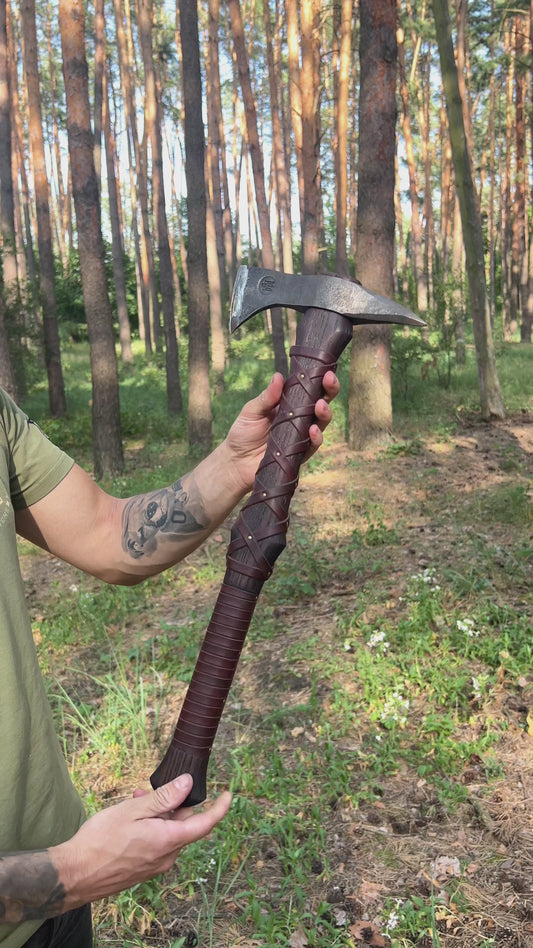
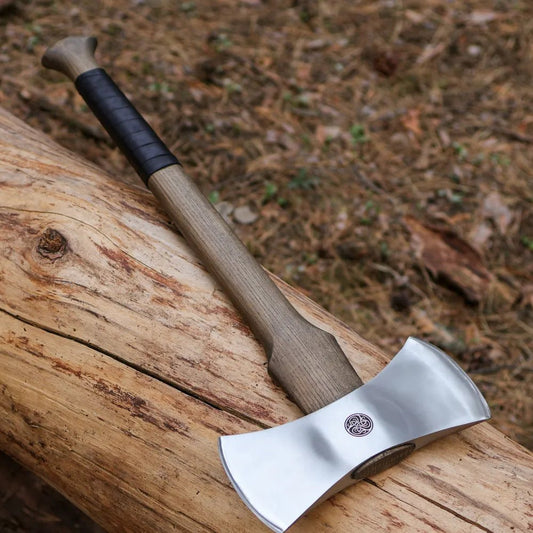
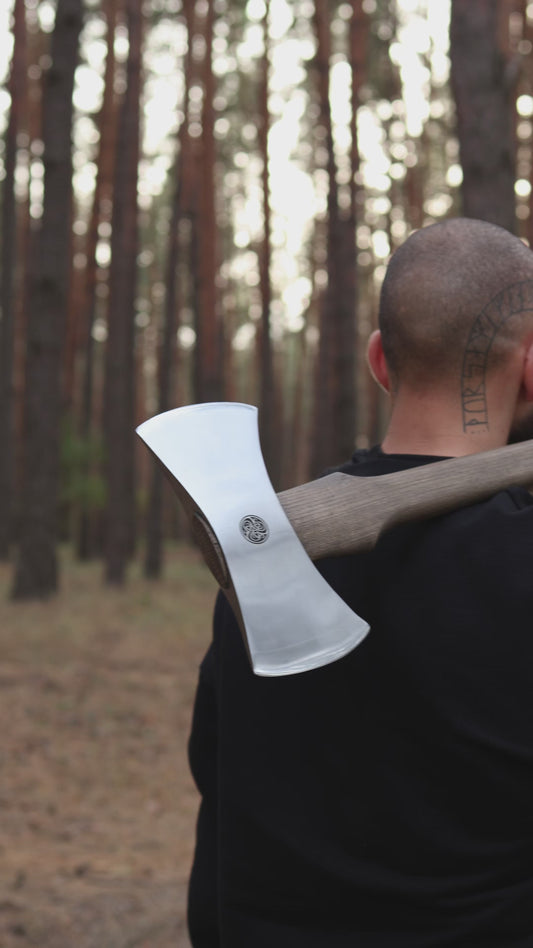
A Guide to the Viking Armory
The armory brings together the weapons and tools that defined the Viking Age - the axe, the knife and the symbols of the gods. Every piece is hand-forged in the Norse tradition from worked steel and hardwood. Below is everything you need to choose the right one.
What is in the armory
The collection gathers several weapon types in one place: hand-forged Viking axes from the bearded Skeggox to the long Dane axe; Viking knives and seax blades; and Thor's hammer (Mjolnir) replicas. It is the place to start if you want an overview of the whole Norse arsenal.
Axes - the Viking's weapon
The axe was the defining weapon of the age - cheaper than a sword and used as both tool and weapon. The bearded axe (Skeggox) is the iconic one-handed shape, while the Dane axe is the large two-handed battle axe. To go deeper, read our guide to the bearded axe versus the Dane axe.
Knives, seaxes and Mjolnir
Alongside axes, the armory holds seax and utility knives - the everyday blade nearly every Norseman carried - and Mjolnir, Thor's hammer, a symbol of protection and strength rendered as pendants and display replicas, each carrying its own meaning from Norse mythology.
Steel, handles and care
Weapons are hand-forged from high-carbon or stainless steel. High-carbon holds a keener edge for functional pieces but needs oiling; stainless resists rust and suits display. Handles are turned from hardwoods such as ash, oak or hickory, and many blades come with a genuine leather sheath. Keep steel dry and lightly oiled, and store away from damp.
How to choose and handle safely
Want the classic Viking weapon? Start with a bearded axe. After an everyday blade? Choose a seax knife. Want a symbol of the gods? Pick a Mjolnir replica. Each product page states whether a piece is functional or for display. Always handle and store weapons responsibly and follow your local laws.
Viking Armory - FAQ
What weapons did Vikings use?
Vikings mainly used axes, spears, knives (the seax) and, for the wealthy, swords. The axe was the most common weapon because it was affordable and doubled as an everyday tool.
What is in the Viking armory collection?
The armory brings together hand-forged Viking axes, knives and seax blades, and Thor's hammer (Mjolnir) replicas in one place, so you can browse the whole Norse arsenal together.
What steel are the weapons made from?
Pieces are hand-forged from high-carbon or stainless steel. High-carbon holds a keener edge for functional pieces but needs oiling, while stainless resists rust and suits display.
Are the weapons functional or for display?
Some are hand-forged, heat-treated and fully functional, while others are display and collector's pieces. Each product page states which, so you can buy with confidence.
What was the most common Viking weapon?
The axe. A good axe was far cheaper than a sword, doubled as a tool for chores and building, and was deadly in battle, so most Norsemen fought with an axe.
How do I care for Viking weapons?
Keep steel dry and lightly oiled to prevent rust, especially high-carbon steel, store blades in their leather sheaths away from damp, and occasionally re-oil wooden handles.
Are there laws about owning Viking weapons?
Laws on buying and carrying blades and weapons vary by country and region. Please meet your local age and ownership requirements before ordering, and always handle and store items responsibly.